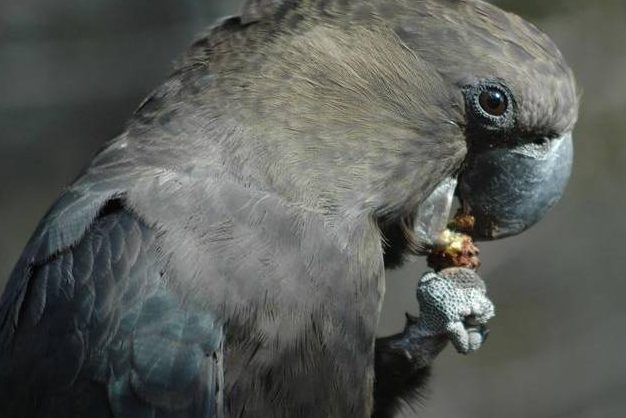
Australian ornithologists will get a helping hand from new AI technology designed to identify birds across the country from collated audio, reports KATELYN CATANZARITI.
BIRDWATCHERS searching for the lesser-spotted Spangled Drongo, Masked Booby or Hoary-headed Grebe will be excited to hear a new development in artificial technology could make their task a little easier.
Google Australia, Queensland University of Technology and the Australian Acoustics Observatory have come up with an AI model that uses automatic audio detection to identify and monitor local bird species.
The tech will make it easier to track threatened birds, helping researchers produce high-quality range maps for Australian species and enable conservationists and ecologists to more readily locate species of interest.
Traditionally, experts have manually reviewed recordings captured by a national network of recordings of raw audio to identify bird sounds, which can be painstaking and time-consuming.
But the collaborative project – part of a five-year investment in Australian infrastructure, research and partnerships by Google’s Digital Future Initiative – has captured more than 17 million hours of raw audio since 2019 to collate a library of sounds that has been filtered through by AI technology.
Researchers developed the tech by analysing recordings of the Glossy Black Cockatoo – a threatened species found along the entire east coast of Australia, as well as Kangaroo Island in SA.
The model automatically separates, enhances and completely isolates the species’ sound, filtering out surrounding noise such as wind and insects.
“Knowing the presence of certain birds, like the threatened Glossy Black Cockatoo, helps scientists understand and monitor their movements and how they are adapting,” says QUT’s Professor Paul Roe, adding the model was producing impressive results.
“This helps those responsible make more informed decisions about land management and biodiversity protection.”
The model was even picking up very faint calls that would often be missed by traditional methods of identification, he said.
It would help measure the risk of invasive species, climate change, human development, deforestation and bushfires, fellow QUT researcher Dr Daniella Teixeira said.
“As a nation, we have a responsibility to understand how our species and environments are impacted, and what else we can do to protect them,” she said.
“Birds are often considered indicators of ecosystem condition because many species respond to changes in the environment.”
Google said it was excited to highlight the potential for AI to help tackle complex challenges and explore new territories “with the shared goal to better understand and protect Australia’s biodiversity”.
Researchers want to extend these tools to identify other threatened species such as koalas and invasive species including cane toads and Asian house geckos.
News all day, every day at CityNews.com.au.
Who can be trusted?
In a world of spin and confusion, there’s never been a more important time to support independent journalism in Canberra.
If you trust our work online and want to enforce the power of independent voices, I invite you to make a small contribution.
Every dollar of support is invested back into our journalism to help keep citynews.com.au strong and free.
Thank you,
Ian Meikle, editor



Leave a Reply