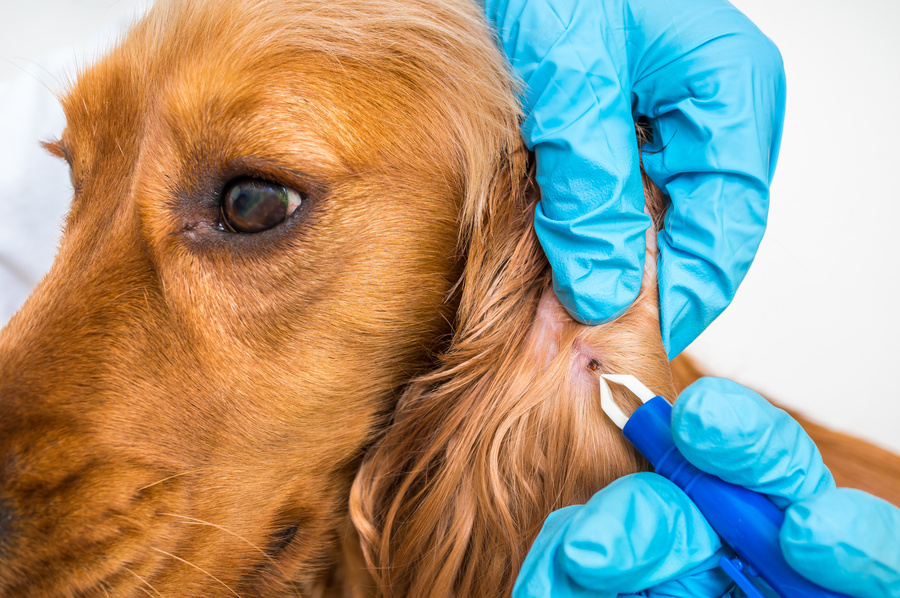
Weston Woden Animal Hospital is seeing ticks more often in pets presenting in Canberra. This sponsored post explains the warning signs owners shouldn’t ignore.
For many Canberra pet owners, ticks have traditionally been something to worry about when taking the family dog or cat to the coast. But that thinking is changing.
At Weston Woden Animal Hospital (WWAH), the team is seeing ticks more often in pets presenting in Canberra. While this doesn’t mean ticks are becoming established locally, it is a timely reminder for pet owners to remain vigilant, particularly when their pets have travelled to coastal or other tick prone areas. For WWAH, this is an important reminder that tick prevention should be part of routine pet health care for both dogs and cats, not simply something owners consider before a coastal holiday.
Paralysis ticks can cause serious and potentially fatal illness. The tick releases a toxin while feeding that affects an animal’s nervous system and can eventually interfere with its ability to swallow and breathe.
Know the early warning signs
One challenge with tick paralysis is that the first signs can be easy to overlook.
Weakness or wobbliness in the back legs, coughing or regurgitation can be among the first signs. Pets may also appear unusually tired, lose interest in food or vomit.
Another important warning sign that many owners may not associate with ticks is a change in a dog’s bark or a cat’s meow.
As the effects progress, animals can develop excessive drooling, difficulty swallowing, increasing weakness or abnormal breathing.
Any suspected signs of tick paralysis require urgent veterinary attention.
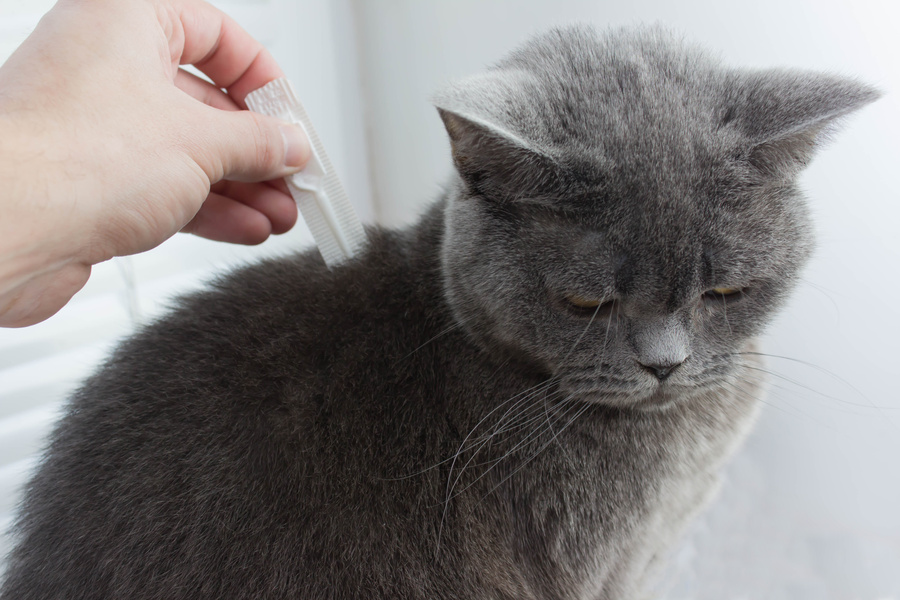
Prevention is important for dogs and cats
There are a range of tick prevention options available for dogs and cats, including oral and topical treatments, and the WWAH team can recommend an appropriate option based on your pet’s lifestyle and travel plans.
For dogs, there is also now a yearly tick vaccine, providing another preventative option for owners to discuss with their veterinarian.
And prevention isn’t just for dogs. Cats need tick protection too, including indoor cats travelling with their families to coastal areas. An indoor lifestyle does not remove the risk when a cat is staying in an area where paralysis ticks are prevalent.
Whatever preventative option you use, staying on schedule is particularly important. Gaps between treatments can leave pets without adequate protection.
Preventative measures should also be combined with regular physical tick searches, particularly after visiting coastal areas, bushland, long grass or other enviroments where ticks may be present.
Starting at the nose, slowly run your fingertips through the coat and across the skin, working towards the tail. Pay particular attention around the head, neck, ears, mouth, chest, armpits, between the toes, skin folds and groin, remembering a tick can attach almost anywhere.
And don’t assume finding one tick means the search is over. An animal can have more than one.
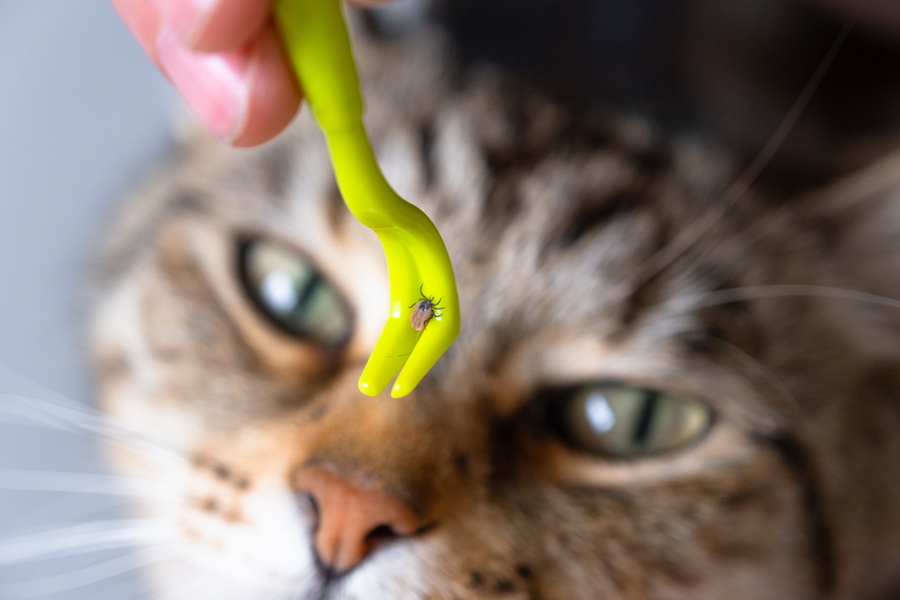
A reason for Canberra owners to be vigilant
While paralysis ticks remain much more prevalent in coastal areas, WWAH is seeing ticks more often in pets presenting in Canberra.
For local pet owners, the important message isn’t to assume ticks are now established in Canberra, but to recognise the risk and remain vigilant, particularly when pets have travelled to tick prone regions.
The message from Weston Woden Animal Hospital is simple. Keep prevention current, regularly check your dog or cat and seek veterinary advice quickly if something doesn’t seem right.
With effective prevention and a few minutes spent regularly checking your pet, owners can significantly reduce the risk of a very small parasite becoming a very serious problem.
Weston Woden Animal Hospital, 176 Dixon Drive, Holder. Phone: (02) 6288 4777
News all day, every day at CityNews.com.au.
Who can be trusted?
In a world of spin and confusion, there’s never been a more important time to support independent journalism in Canberra.
If you trust our work online and want to enforce the power of independent voices, I invite you to make a small contribution.
Every dollar of support is invested back into our journalism to help keep citynews.com.au strong and free.
Thank you,
Ian Meikle, editor





Leave a Reply