By Rachel Jackson in Canberra
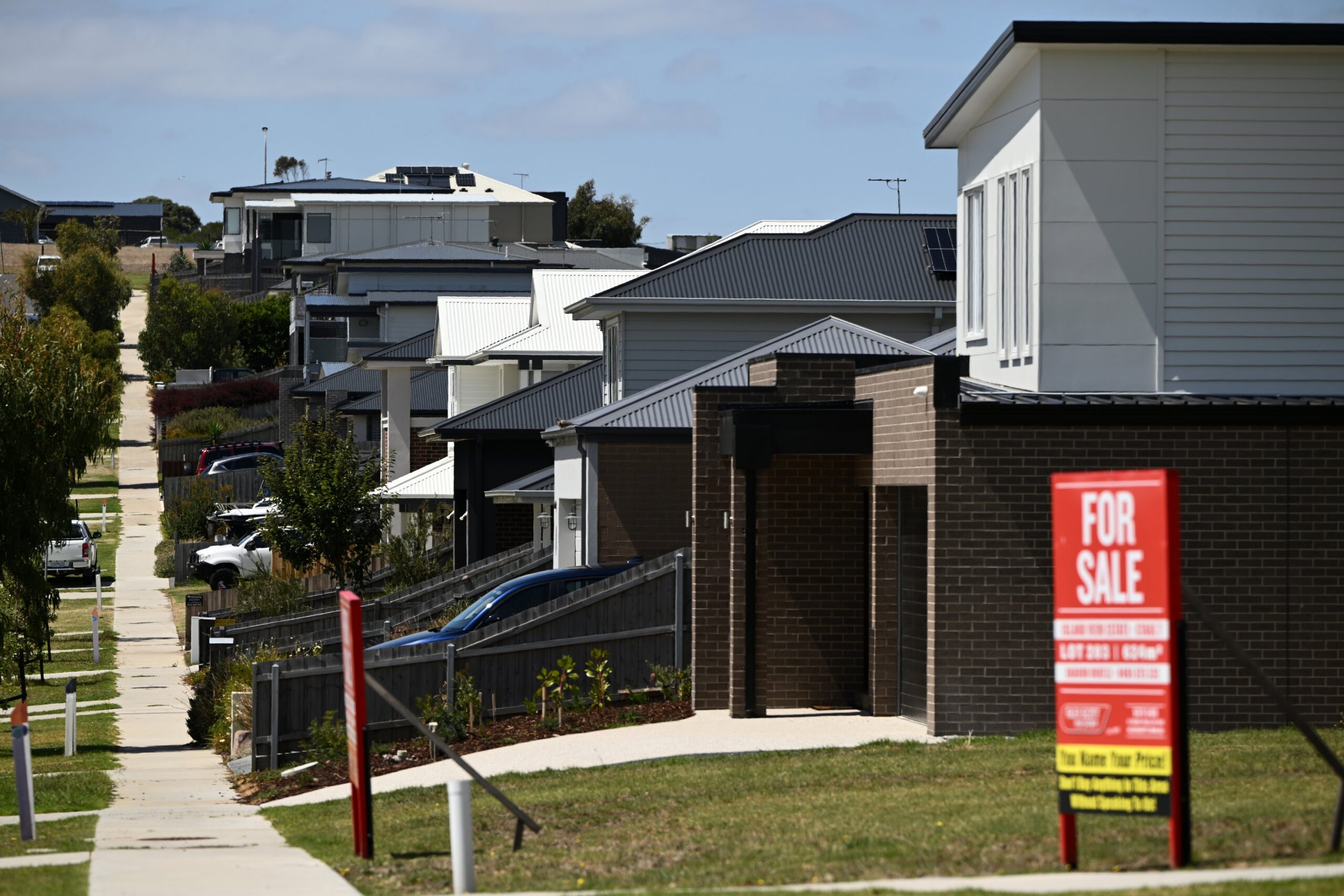
Australia’s productivity roundtable has produced some useful housing ideas but they will do little to increase affordability, economists say.
Wrapping up the government’s three-day summit, Treasurer Jim Chalmers announced a suite of reforms aimed at making the market more affordable.
They include reducing complexity and red tape in the national construction code, making it easier for developers to build new homes.
Trimming the regulatory thicket would cut the cost of a new house by about $10,000, chief economist for the Centre for Independent Studies Peter Tulip said.
The median house price in Sydney is about $1.7 million.
“These announcements will be welcomed by almost everyone in the construction industry,” Mr Tulip told AAP.
“But it’s not the biggest problem we face in that housing market, and it’s not the biggest restriction to worry about.”
The roundtable failed to address the restrictions imposed on housing supply through zoning and planning, Mr Tulip said.
Leaked Treasury advice warned that the government’s goal of building 1.2 million new homes in five years was not on track to be met.
Mr Tulip argued incentives needed to be brought forward for state and territory governments to reach their housing targets, who face strong opposition from locals against nearby development.
Under the federal government’s new homes bonus, states and territories that meet their housing targets receive a share of a $3 billion fund, but the bonus is not payable until after the five-year period.
Bringing the payments forward would increase incentives for decision makers at no extra cost to the Commonwealth, Mr Tulip said.
“You’ve got people in state and local governments making very difficult, controversial decisions now facing lots of opposition, and they won’t be around in five years’ time to get this payment,” he said.
Pausing the national construction code was supported by states during the roundtable discussions, NSW Treasurer Daniel Mookhey said.
“Anything that is impeding us from converting approvals to homes needs to go,” he said.
The NSW government put $5 million aside in the 2024 state budget to rollout artificial intelligence planning approvals, the treasurer said.
“We’ve already seen how that is helping us make some better decisions,” he said.
“We think there’s good examples of how those lessons can be spread across the nation.”
The first step towards reform is one of the hardest things for state and territory governments to undertake, Business Council of Australia chief executive Bran Black said after the roundtable.
He pointed to strategies used by states including up-zoning of developments around key transport nodes in Victoria.
“If you could take a suite of those things that are already done in one state and say, let’s make this the norm across the federation, that will make a huge difference,” Mr Black said.
News all day, every day at CityNews.com.au.
Who can be trusted?
In a world of spin and confusion, there’s never been a more important time to support independent journalism in Canberra.
If you trust our work online and want to enforce the power of independent voices, I invite you to make a small contribution.
Every dollar of support is invested back into our journalism to help keep citynews.com.au strong and free.
Thank you,
Ian Meikle, editor




Leave a Reply