By Jennifer Dudley-Nicholson
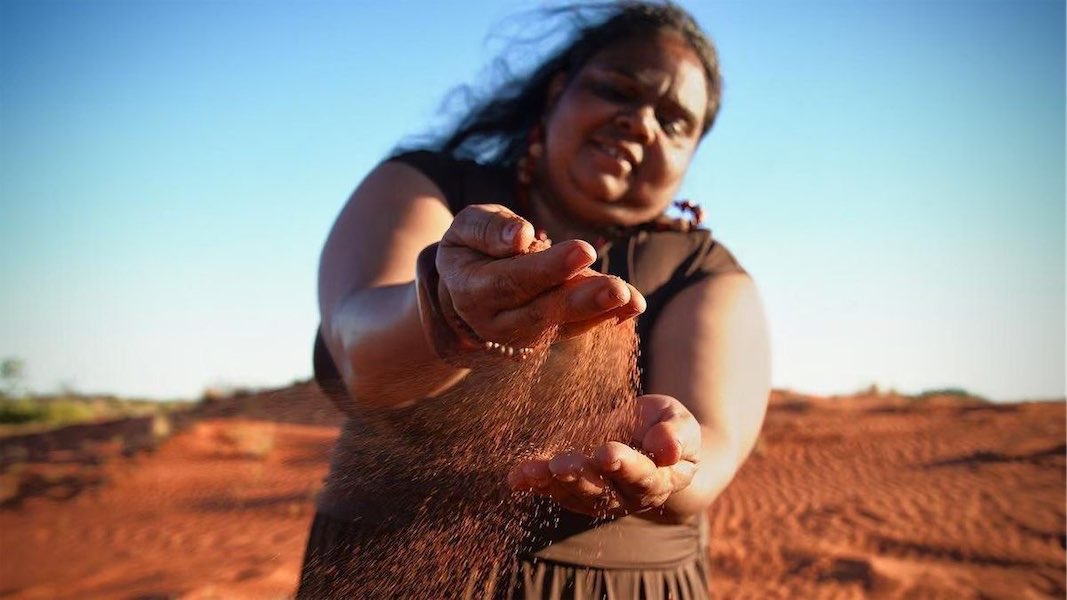
An ambitious indigenous project covering more than one third of Australia is in the running to win one of the world’s best-known environmental awards.
The Earthshot Prize named Australia’s Indigenous Desert Alliance as one of the 15 finalists in its 2026 competition late on Friday, selecting it from a field of almost 7000 nominations.
The group, which supports 70 indigenous ranger teams and has 29 member organisations, will compete to become one of five winners, each receiving Stg1 million ($A1.9 million).
But alliance chief executive Samantha Murray said the real reward could come from the worldwide attention generated by the contest, and from creating more advocates for its work.
The Earthshot Prize, founded by Britain’s Prince William in 2020, recognises projects tackling major environmental challenges such as ocean and air pollution, climate change, waste, and nature conservation.
The Indigenous Desert Alliance was named as a finalist in the nature category for its Right Way Desert Fire program, which combines Indigenous knowledge with modern approaches to reducing bushfire risks.
Australia’s desert lands were beautiful, diverse and vulnerable, Ms Murray said, and “slow cool burning” performed in the right weather, in a controlled way, and regularly could help to protect special places, animals and biodiversity.
“It’s a practice that’s been handed down for thousands of years, since the beginning of time with desert people, and it’s been really boosted and strengthened with the use of westernised fire-burning practices,” she told AAP.
“It’s a really strong way of managing the environment.”
Rangers supported by the alliance cared for about 270 million hectares of desert land in Australia – an area about the size of Argentina – that was home to 78 threatened species, including the Great Desert Skink, night parrot and bilby.
Each ranger team had its own conservation priorities, Ms Murray said, and took its responsibility to the land seriously.
Choosing finalists from so many nominations was a challenging task, The Earthshot Prize chief executive Jason Knauf said, but the alliance stood out due to the scale of its operation and its use of Indigenous methods.
“(Indigenous Desert Alliance) was a slam dunk to make the top three … and we’re really, really excited about what we’re going to be able to do with them over the next few years,” he said.
“This is ancient practice being applied in a really modern context.”
The alliance will join a community of 75 Earthshot finalists, Mr Knauf said, whose work had captured or avoided 18 million tonnes of carbon, protected or restored 58 million hectares of land, and saved 21 million tonnes of water.
While winning the ultimate prize in Mumbai on November 17 would be a huge achievement, Ms Murray said, its global attention and support could be more valuable.
“If we end up with a few more advocates and fans of desert, being completely biased as a desert person myself, I think that’s the ultimate goal and prize for us,” she said.
“Desert rangers are deadly.”
News all day, every day at CityNews.com.au.
Who can be trusted?
In a world of spin and confusion, there’s never been a more important time to support independent journalism in Canberra.
If you trust our work online and want to enforce the power of independent voices, I invite you to make a small contribution.
Every dollar of support is invested back into our journalism to help keep citynews.com.au strong and free.
Thank you,
Ian Meikle, editor




Leave a Reply