By arts editor HELEN MUSA
The 2026 Italian Film Festival, the largest celebration of Italian cinema outside Italy, opens tonight at Palace Electric with a rich program of contemporary features, documentaries, comedies, an Australian-Italian co-production and, most strikingly, a retrospective focus on the legendary actress Anna Magnani.
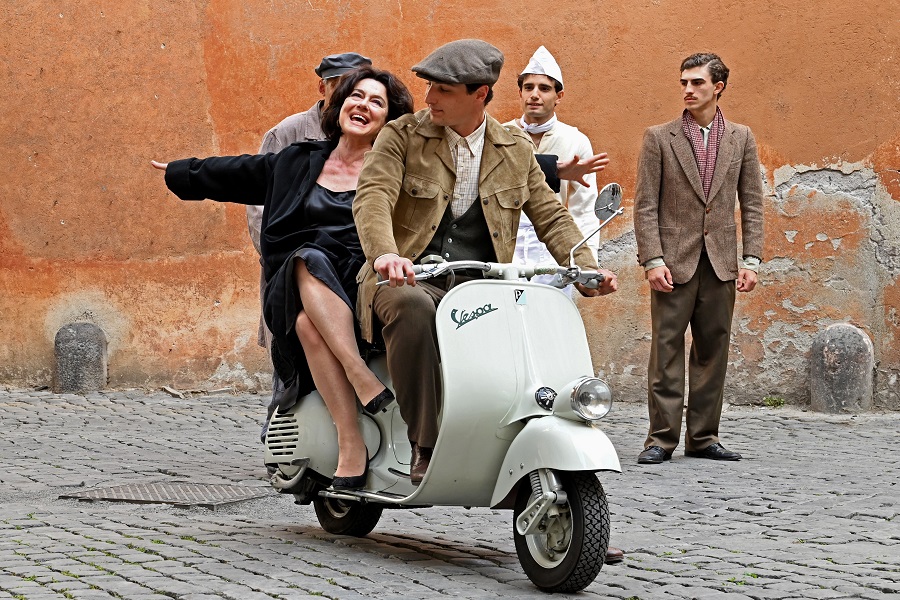
At the centre of that tribute is Anna: Anna Magnani – The Untold Story, directed, co-written and starring Monica Guerritore. The film focuses on a period when Magnani was balancing international stardom with motherhood as her son Luca came of age, particularly around the time she starred in Pier Paolo Pasolini’s 1962 drama Mamma Roma, the role that cemented her image as the quintessential working-class Italian mother.
But how many people today remember Magnani?
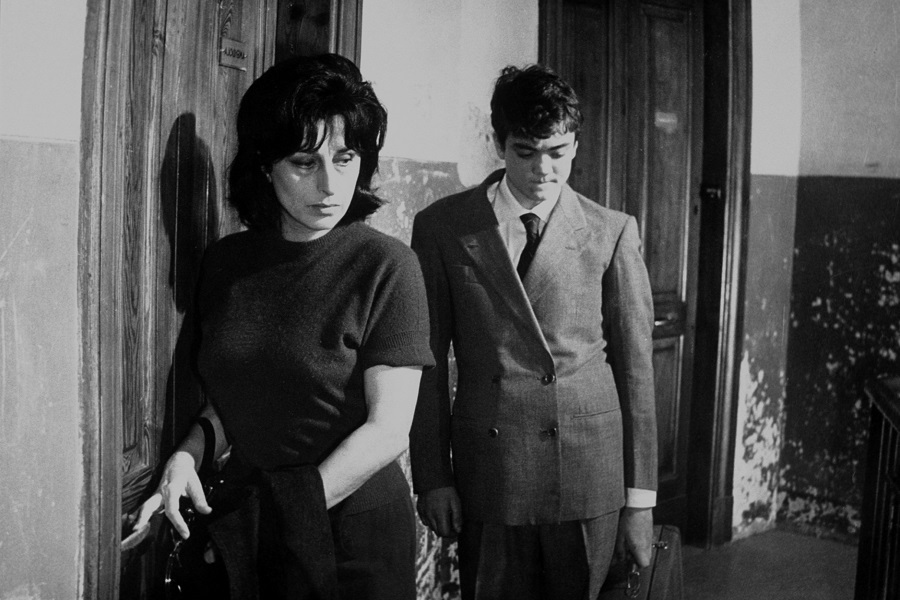
Unconventional in appearance, though eventually celebrated for a beauty entirely her own, she became the fiery, earthy icon of working-class women. Known as the “anti-diva” and “La Lupa” (the She-Wolf), she was the first Italian woman to win the Academy Award for Best Actress, taking the prize in 1956 for The Rose Tattoo, a role Tennessee Williams had written especially for her.
Magnani dominated Italian cinema through the 1940s, 50s and 60s, working with some of the greatest names in film, including Roberto Rossellini, Luchino Visconti, Federico Fellini and Pier Paolo Pasolini.
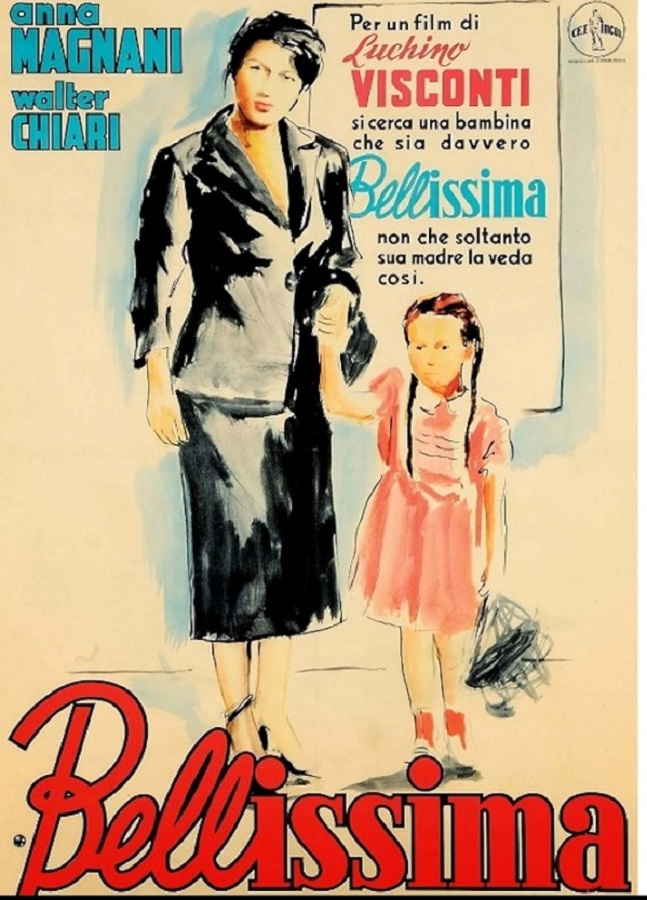
The festival will also screen two of her most celebrated films: Visconti’s Bellissima, a sharp portrait of postwar Italy’s obsession with celebrity, and Pasolini’s once-banned neorealist classic Mamma Roma, an unsparing depiction of survival in postwar Rome.
Cinema may not be quite as ephemeral as live theatre, but it shares a fascination with fame and its passing. One generation’s screen idol can quickly fade from public memory. Magnani, despite her immense stature, was not immune to changing fashions. Rossellini, her mentor and lover, famously left her for Ingrid Bergman. Later, producer Carlo Ponti reportedly sidelined the increasingly tempestuous star after she rejected a leading role that ultimately went to Sophia Loren.
Yet for many lovers of Italian cinema, Magnani remains unrivalled.
When I catch up with Elisabetta Ferrari, Senior Lecturer in Italian Studies at the University of Melbourne and an expert on Italian cinema, her enthusiasm for Magnani is undiminished.
Ferrari has been collaborating with Palace Cinemas on an exhibition of Italian film posters showing at Melbourne’s Pentridge Cinema. The project forms part of her research into Melbourne’s Italian cinema culture from the 1950s to the 1970s.
“At one stage there were 21 cinemas in Melbourne screening Italian films,” she tells me. The phenomenon reflected the postwar arrival of Italian migrants and a period before television transformed entertainment habits.
It particularly pleases Ferrari that the festival includes Bellissima.
“It’s a film about cinema itself,” she says.
A lifelong admirer of Magnani, Ferrari grew up watching the actress’s films with her mother.
“I really liked her as an actress and she worked with the most famous Italian directors at a transitional time in cinema,” she says.
“She was very strong, very passionate, very fragile and very vulnerable.”
Ferrari points out that Magnani began her career in theatre and represented a dramatic break from the glamorous conventions of the so-called “white telephone” films of the Fascist era, polished comedies modelled on Hollywood productions that largely avoided social realities.
“She became the central figure of neorealism,” Ferrari says. “She was the woman of the people. She had to fight to do what she wanted to do and her looks were far removed from the stars the industry usually promoted. She represented a really important break from that system.”
Her Academy Award only reinforced that status.
Ferrari also notes that Magnani worked with directors who fundamentally changed the language of cinema.
It seems fitting, then, that the new biopic is so deeply connected to Rome itself, a city inseparable from the history of film. Once known as “Hollywood on the Tiber”, Rome hosted major international productions such as Roman Holiday and Ben-Hur.
Meanwhile, the Italian Film Festival rolls on with highlights including opening night romantic comedy Holy Cannoli, starring Pierfrancesco “Pif” Diliberto as a dessert-loving real estate agent who falls for a devout pastry chef in Palermo; Sweetheart, an award-winning Sicilian coming-of-age drama starring Aurora Quattrocchi; and the closing night presentation The Echo Chamber, directed by Andrea Pallaoro from Bernardo Bertolucci’s final screenplay, featuring Alicia Vikander, Luca Marinelli and Susan Sarandon.
Also screening is the Australian-Italian documentary Sand Roads, following three young Australians on a record-breaking quad-bike journey across three continents, alongside a strong slate of new Italian cinema including Almost Grazia, marking the centenary of Nobel Prize-winning writer Grazia Deledda, and the psychological thriller The Lesson.
The 2026 Italian Film Festival runs at Palace Electric Cinemas, NewActon, September 16 to October 15.
News all day, every day at CityNews.com.au.
Who can be trusted?
In a world of spin and confusion, there’s never been a more important time to support independent journalism in Canberra.
If you trust our work online and want to enforce the power of independent voices, I invite you to make a small contribution.
Every dollar of support is invested back into our journalism to help keep citynews.com.au strong and free.
Thank you,
Ian Meikle, editor


Leave a Reply