
“If we are to have a national anti-corruption body that’s worth the name then the independents must prevent the proposed model being established.” Legal columnist HUGH SELBY has reservations about the major parties’ ability to establish the right kind of National Anti-Corruption Commission.
JUST as floods and fires are certain in our climate, so is corruption in our political systems, from local, through state and territory, to national politics.
Having influence, trading on that influence, profiting from that influence are age-old aspects of all societies – “I want, you have, let’s trade, but don’t tell anyone else”.
We must be vigilant to prevent the corrupt acquisition of water or mining rights worth millions of dollars, making gobsmacking financial gains from inside knowledge about proposed changes to land use – such as around airports, ports and freight terminals, or bribing foreign officials with our public monies to secure trade benefits when selling farm or mining resources into overseas markets.
There are parliamentary codes of conduct that don’t work to ensure the disclosure of who has donated funds to take or defend a defamation action, or why public funds were spent on a helicopter flight rather than the much cheaper, scheduled, commercial airline flight.
All of this we all know, so why do we so readily accept that a proposal for a National Anti-Corruption Commission from any of the Liberal, National, or Labor parties could be adequate to address a perennial problem?
No major political party ever willingly sets up an independent body that can delve deep into the misconduct of any of its elected members. Such a body can never bring political reward, but it will, inevitably, bring political ruin.
For that reason, those who promote such a body are keen to fetter its powers and reduce its effectiveness. We can be confident that the Albanese Government and the Dutton Opposition have common cause in promoting a model that looks fearsome but has weak teeth.
Looking around the present state anti-corruption bodies, Tasmania’s is useless, SA’s and Victoria’s have had their teeth pulled, both Queensland and WA have been attacked, and in NSW – by far the most effective – the appointment of the latest commissioner, a former state attorney-general, has been a stroke of political brilliance, leaving the teeth alone, but putting a fog around the brain of the outfit.
Who can be appointed as commissioner, the maximum term length, and the impossibility of renewal are important components for a successful commission.
He or she must have proven capacity to build and sustain a highly motivated team. Their track record must show a commitment to transparency, uncompromised integrity, courage and tenacity.
No former politician should ever be eligible, because that is to put the fox among the chickens. That fox’s history is always hidden in the political darkness.
The perpetrators will always want to keep the lights out. They want anonymity. Unlike the corruption for survival that characterises life for many in poor countries, our homemade corruption is about the greed, not need, of a favoured few.
They will use their ill-gotten gains to keep the lid on their misdeeds. They will defer or prevent their exposure by making court applications in closed courts with “no publication” orders to circumvent the investigation and exposure powers of the commission.
The two big L-party organisations are fearful that uncontrolled, public inquiries will sool their re-election prospects. Democratic accountability comes a poor second to the maintenance of power.
An independent Police Complaints Authority was abolished overnight in our bicentennial year when police threatened to run candidates in marginal seats. That police threat was made to prevent exposure of criminal acts by serving police. The L parties rushed to satisfy police demands.
The best deterrent to gross greed is public humiliation visited upon the malefactors by public hearings where they squirm, glower and look pathetic as they shrivel up in the face of questions that expose the extent of their thievery and to which they have no credible responses.
But that is not to advocate for bullying. That is never acceptable.
I watched in horror from the public gallery at a public hearing where a witness was being questioned by counsel assisting. That barrister was leaning over the witness and snarling. The witness had counsel who sat silently. The commissioner sat silently. It was appalling. Finally, the counsel for one of the key parties called it out and demanded that it stop. It did.
On that day leadership came, not from those being paid to perform it, but from a man with wisdom and humility.
Of this we can be sure: if the commission bullies a witness in public then its behaviour in private session would be worse. The pollies should be careful what they wish for.
Crime commissions have secret hearings. Crime commissions are abused by abusive police.
I can’t forget the young man who was lawfully driving the family truck full of fish. He was stopped and taken to a secret hearing. He was desperate to save his fish. The police knew that. Secrecy begets its own corruption.
If we are to have a national anti-corruption body that’s worth the name then the independents must prevent the proposed model being established. It is better to have no fish on the plate than the stench coming from one that is rotten.
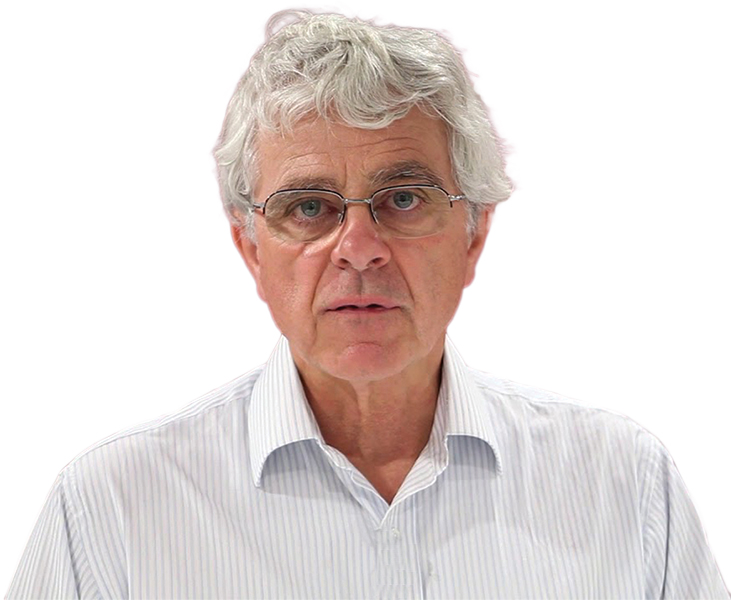
Hugh Selby is a recently retired barrister who enjoyed appearing in criminal jury trials and teaching about them.
News all day, every day at CityNews.com.au.
Who can be trusted?
In a world of spin and confusion, there’s never been a more important time to support independent journalism in Canberra.
If you trust our work online and want to enforce the power of independent voices, I invite you to make a small contribution.
Every dollar of support is invested back into our journalism to help keep citynews.com.au strong and free.
Thank you,
Ian Meikle, editor





Leave a Reply