News location:

Thursday, October 8, 2026 | Digital Edition | Crossword & Sudoku

Lib leader takes shot at ‘inhumane’ brumby culls

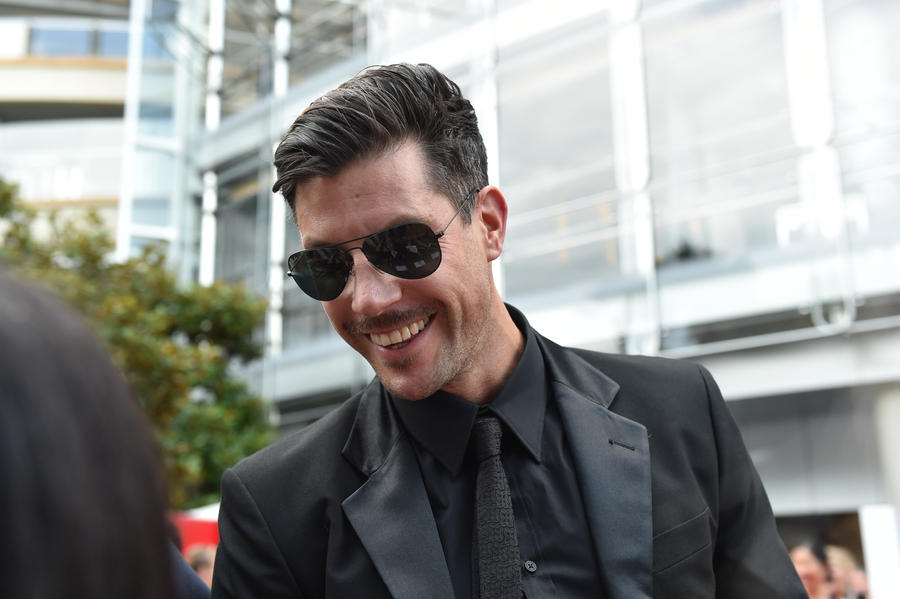
Feral horse management should be run by locals, not state bureaucrats, the federal coalition says. Perry Duffin/AAP PHOTOS

By Tess Ikonomou

The federal opposition leader has branded contentious mass culls of feral horses inhumane and unnecessary, demanding responsibility for controlling the animals be handed to locals.

NSW has been undertaking a cull of brumbies in Kosciuszko National Park after a recorded rise in the invasive species’ numbers.

Aerial shooting of the horses resumed earlier in June after being put on hold in March 2025 due to a successful reduction in herds.

But Opposition Leader Angus Taylor said the culls were the work of “bureaucrats in Sydney”.

He called for local communities to be handed control of the animals’ population, saying their management methods from the 1980s were more effective.

“It’s a very personal issue for me,” he told Sky News on Sunday.

“I grew up in the region and I grew up riding in the mountains with the brumbies.

“This is a cull that I think is unnecessary, it’s inhumane.”

Advocates for the animals have suggested they be trapped and rehomed instead of killed, while there has also been an outcry about horses potentially being left to die slowly after being shot from helicopters.

The brumbies risk the park’s fragile ecosystem, threatening wildlife and native plants with trampling.

Mr Taylor’s position is a marked departure from that of his predecessor as Liberal leader, Sussan Ley, who as federal environment minister sought legal measures to force NSW’s then-coalition government to do more to reduce feral horse numbers.

The state is trying to reduce the animals’ population to 3000 by mid-2027.

The latest official estimates, for 2025, pointed to there being at least 6476 and as many as 16,411 brumbies in the national park, near the Victorian border.

In 2022, the number of feral horses in the park was as high as 23,535.

The National Parks and Wildlife Service is also considering a fertility-control trial in a bid to prevent the need for brumbies to be killed.

News all day, every day at CityNews.com.au.

Who can be trusted?

In a world of spin and confusion, there’s never been a more important time to support independent journalism in Canberra.

If you trust our work online and want to enforce the power of independent voices, I invite you to make a small contribution.

Every dollar of support is invested back into our journalism to help keep citynews.com.au strong and free.

Become a supporter

Thank you,

Ian Meikle, editor

Share this

9 Responses to Lib leader takes shot at ‘inhumane’ brumby culls

Jenna says: 22 June 2026 at 8:42 am

The debate is framed as though there is an easy answer. If there were, this would have been resolved years ago.

Many people ask why the horses cannot simply be trapped and rehomed, or managed through fertility control. What is missing from the discussion is the scale of the challenge. Managing thousands of free-ranging horses across rugged alpine country is difficult, expensive and controversial. Every option—rehoming, fertility control, mustering, ground shooting or aerial culling—has with very practical limitations.

That all begs the questions: How many horses should be in the park, and how do you keep those numbers at an acceptable level?

This article assumes horse numbers need to be reduced, but Angus Taylor offers little detail about how his preferred approach would achieve that outcome. The real dispute is not whether horses should be managed, but how that management should occur.

Reply
Susanne Thiemann says: 22 June 2026 at 3:16 pm

I am from Germany and the way it is being done is horrific. I can’t believe this is the only way to reduce numbers and they are not transparent. How can animals be shot in their spines, lungs and legs, and be left to die without releasing them from their suffering. How is it allowed to shoot pregnant mares, kill and injure foals and leave them to suffer until the end? If the government has to do it, why like this? I am against this anyway.

Reply
RiaRikali says: 22 June 2026 at 5:18 pm

I think you’re mistaken. There’s plenty of transparency. There have been reports, inquires, public submissions and reviews, most of which are available online. No one wants wounded horses and motherless foals to be left to suffer. The goal is to euthanise as quickly and cleanly as possible. While this process can’t be guaranteed, independent inspections in 2023, accompanied by veterinarians found no non-fatally wounded horses and a median time to insensibility of less than five seconds. RSPCA NSW also observed the operation and reported no departures from the approved procedures. Horses die from natural causes too — the numbers of horses are in their thousands and they can die from drought, starvation, disease, injury, and birthing complications. The park is reserved for native animals and Australian alpine systems. The horses aren’t native and the Parks Service is legally obliged to remove them. Currently there is a maximum cap of 3,000.

Reply
Kim Bourke says: 22 June 2026 at 5:48 pm

There have never been 16,000 + horses. Now there would optimistically be 200 in Smoey Mountains .
Again do your research.
Angus Taylor did suggest cattle be permitted on the lowlands as before & local mountain riders to manage horses. By trapping & domesticating.

Reply
Jenna Gray says: 23 June 2026 at 11:51 am

The 6,000 — 16,000 is a statistical range, with a high probability of 8,000 — 10,000 in the park. In 2019 – 2020 the range was 12 — 17,000 horses with a 95% probability there was more than 10,000.

In 2023 – 2024, 6,686 horses were removed.

The question is: how do you realistically trap and rehome 6,000 horses? Who manages local horse riders? Will they be paid? What happens if there are injuries? Who is responsible? How do you make judgements about the skills of individual volunteers? Who builds the yards and how secure do they need to be?

Didn’t Angus Taylor say the management of the park should be left up to the local community? That sounds simple, but who are the local community? Aren’t they a broad mix of groups? Surely that includes brumby advocates, conservationists, cattle graziers, tour operators, NPWS park management and staff (who have legal obligations), local residents, traditional owners and people downstream who are dependent on water supplies for agriculture and consumption. The local community is all of these groups.

It comes back to: should horses be in the park, how many, and what are realistic alternatives? As for cattle? They were removed from the park decades ago due to environmental damage to vegetation, erosion, water quality and river water supplies. Shouldn’t horses be judged by their environmental impact in the same way?

Reply
Ria says: 23 June 2026 at 12:38 pm

6,000–16,000 is a statistical range, with the most likely population estimated at 8,000–10,000 horses. In 2019–20, the estimated population was 12,000–17,000 horses, with a 95% probability there were more than 10,000 in the park.

In 2023–24, 6,686 horses were removed. Yes, it’s very true — it’s hard to track wildlife in such a huge area — that’s why the ranges are so wide.

Even a team of experienced stock musterers would have many challenges with several thousand horses in the mountains. It’s more than just catching wild horses, it’s managing them after that. Plus rehoming is still the big issue with only a few hundred homes available every year, plus you’d need people willing to pay for their care for 20-30 years.

Angus Taylor suggested management should be left to the local community. But who is the local community? Brumby advocates, conservationists, graziers, tour operators, National Parks staff, Traditional Owners, local residents, and people downstream who rely on water supplies, are all part of the local community.

And if cattle were removed from the park because of environmental damage, erosion and impacts on water quality and quantity, should horses be treated differently?

Reply

Leave a Reply

Your email address will not be published. Required fields are marked *

*

*

Related Posts

Follow us on Instagram @canberracitynews