IF you were an Aboriginal person would you be celebrating Australia Day on January 26, asks Julie Tongs.
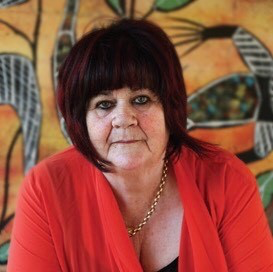
She believes the answer is, indisputably, that you would not and that as a nation we need to work together to address this festering sore.
The CEO of Winnunga Nimmityjah Aboriginal Health and Community Services is calling for Australia Day celebrations to be held on a day other than January 26.
She said that it was asking too much of Aboriginal peoples to participate in or support the celebration of an event, on its anniversary, that resulted in their dispossession and/or alienation from their land, country and culture.
For a majority of Aboriginal peoples, Australia Day and the symbolism inherent in its celebration on the day that Australia was colonised, was a cause of pain and heartache. It was a day that was almost universally perceived and observed by Aboriginal peoples across Australia as Invasion Day, Survival Day or Day of Mourning.
The celebration of Australia Day on January 26 was one of the greatest causes of continuing division between the indigenous and non-indigenous peoples of Australia and that if we were genuinely serious about reconciliation that it was an issue which, along with more formal constitutional recognition and a genuine voice to parliament, must be addressed.
Julie also said that Aboriginal opposition to the celebration of Australia Day on the anniversary of the day on which Aboriginal peoples were formally dispossessed of their land by armed foreigners was fuelled by the continuing racism, disadvantage and discrimination that, 234 years later, was a hallmark of life for so many Aboriginal peoples.
She pointed, for example, to the following snapshot of outcomes relevant to Aboriginal residents of Canberra, on Australia Day in 2022:
- The crude rate of imprisonment of Aboriginal women in the ACT is 632.7 compared to a non-indigenous rate of 9.4. The highest rate in Australia.
- Aboriginal people make up less than 2% of the ACT population and currently make up about 30% of the detainee population in the AMC. The highest rate in Australia.
- Over the past decade indigenous incarceration in the ACT increased by 279%. The highest rate in Australia.
- 81% of Aboriginal people in the ACT have one or more long-term health conditions. The highest rate in Australia.
- 57% of Aboriginal people in the ACT have one or more selected chronic health conditions. The second highest rate in Australia.
- 40% of Aboriginal people in the ACT have mental health/behavioural problems. The highest rate in Australia.
- An Aboriginal child in Year 5 has a mean score, on average, similar to a non-Aboriginal child in Year 3 in the ACT.
- The rate of Aboriginal children in out of home care in the ACT is 72 per 1000 compared to a non-Aboriginal rate of 5 per 1000. The third highest rate in Australia.
News all day, every day at CityNews.com.au.
Who can be trusted?
In a world of spin and confusion, there’s never been a more important time to support independent journalism in Canberra.
If you trust our work online and want to enforce the power of independent voices, I invite you to make a small contribution.
Every dollar of support is invested back into our journalism to help keep citynews.com.au strong and free.
Thank you,
Ian Meikle, editor




Leave a Reply