By Jacob Shteyman in Canberra
Australia’s economy has been delivered a welcome bit of good news just a day after nightmare inflation figures raised the spectre of interest rate hikes.
For more than a decade, stagnant business investment has contributed to Australia’s productivity malaise, limiting the economy’s notional “speed limit” and capping how much wages can grow without driving up inflation.
But that trend was snapped on Thursday when the Australian Bureau of Statistics reported private capital expenditure surged by 6.4 per cent in the September quarter.
That is the biggest jump in more than a decade, outside of the pandemic.
Importantly for the nation’s productivity prospects, new equipment and machinery lifted 11.5 per cent, with the IT and telecom sector up a whopping 91 per cent in three months, as businesses turbocharge spending on data centres.
“Overall, this is a very positive news for the Australian economy as new business investments seemed to have bucked the downward trend in the last two years,” AMP economist My Bui said.
Following 10 lacklustre years, business investment has fallen from 20 per cent of GDP to 11 per cent.
“For the economy to get back towards higher trend growth, private capex gains will need to continue growing beyond today’s figures,” Ms Bui said.
Treasurer Jim Chalmers said the big increase in business investment was much stronger than expected and very welcome.
“These figures show not only is investment in priority areas like data centres and cleaner and cheaper energy growing, it’s growing even faster than anticipated,” he said.
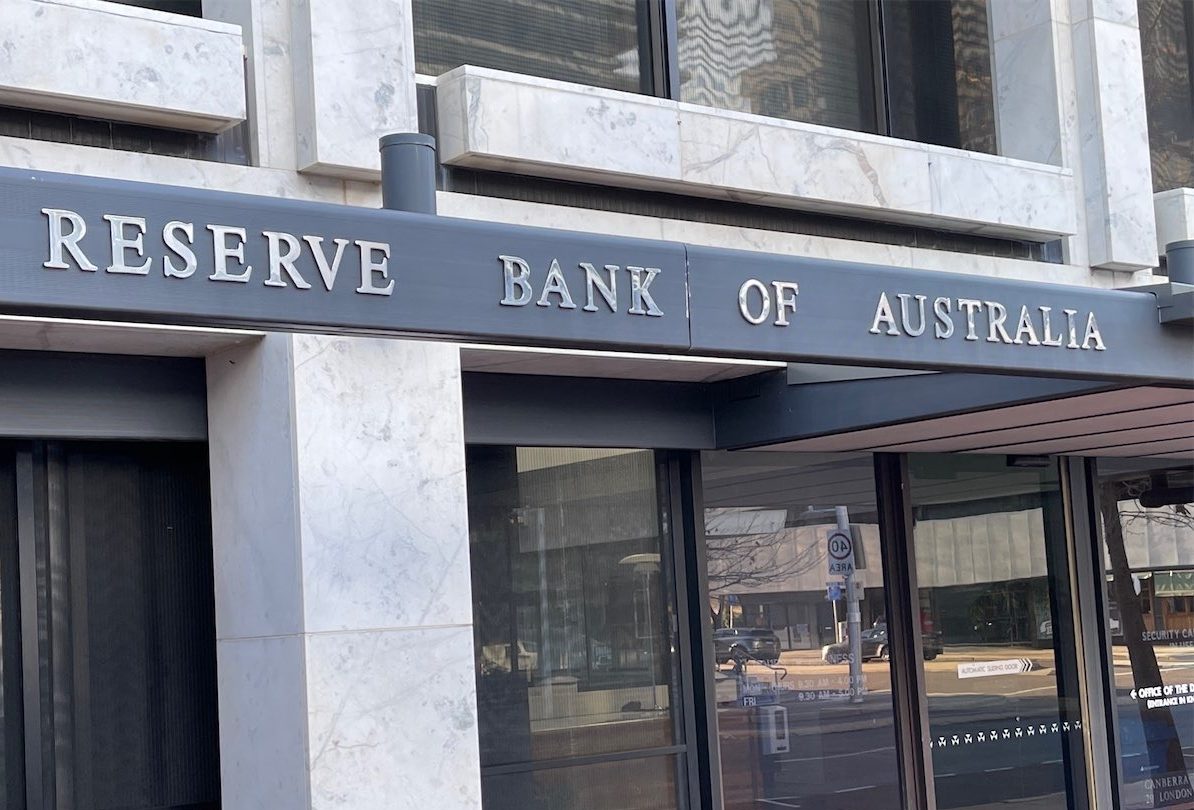
A sustained increase in investment would in the long term raise productivity and ease the Reserve Bank’s fears about the economy getting “boxed in” by capacity constraints.
But the stronger investment pulse, alongside with a surprisingly strong rise in inflation to 3.8 per cent on Wednesday, could increase the hurdle for the RBA to cut rates further, ANZ senior economist Adelaide Timbrell said.
The recent run of investment data suggests GDP growth would be stronger than previously thought and helped explain the strength in inflation, CBA senior economist Ashwin Clarke said.
The inflation result shook markets, which until a few months ago had been expecting the central bank to lower the cash rate once or twice more from its current level of 3.6 per cent.
Following the “red hot” inflation data, rates markets were pricing in more chance of a hike than a cut in 2026, IG market analyst Tony Sycamore said.
That boosted the Aussie dollar against the greenback but spooked equities investors, with the ASX200 retreating about 40 points after the news.
The fact that growth is in an upswing and inflation is rising suggests the cash rate is not slowing the economy down, HSBC chief economist Paul Bloxham said.
“A debate can be had about whether the RBA has already cut its cash rate too far,” he wrote in a research note on Wednesday.
“Our central case sees the RBA on hold through 2026, with the rate hikes beginning in early 2027.
“Today’s print adds to the risk that rate rises could be needed earlier than that.”
Analysts at investment banks Barrenjoey and UBS tipped the Reserve Bank to raise rates in 2026, but economists at ANZ and Westpac are holding on to their predictions for at least one more cut in 2026.
JP Morgan analyst Tom Kennedy said while the upside surprise meant there was clearly a risk that inflation could overshoot the Reserve Bank’s forecasts, he did not think it was “sufficient for rate hikes to creep into the RBA’s internal discussion”.
“We continue to see the RBA on hold through 2026, with hikes likely from early 2027,” he said.
News all day, every day at CityNews.com.au.
Who can be trusted?
In a world of spin and confusion, there’s never been a more important time to support independent journalism in Canberra.
If you trust our work online and want to enforce the power of independent voices, I invite you to make a small contribution.
Every dollar of support is invested back into our journalism to help keep citynews.com.au strong and free.
Thank you,
Ian Meikle, editor



Leave a Reply